

Our Blog
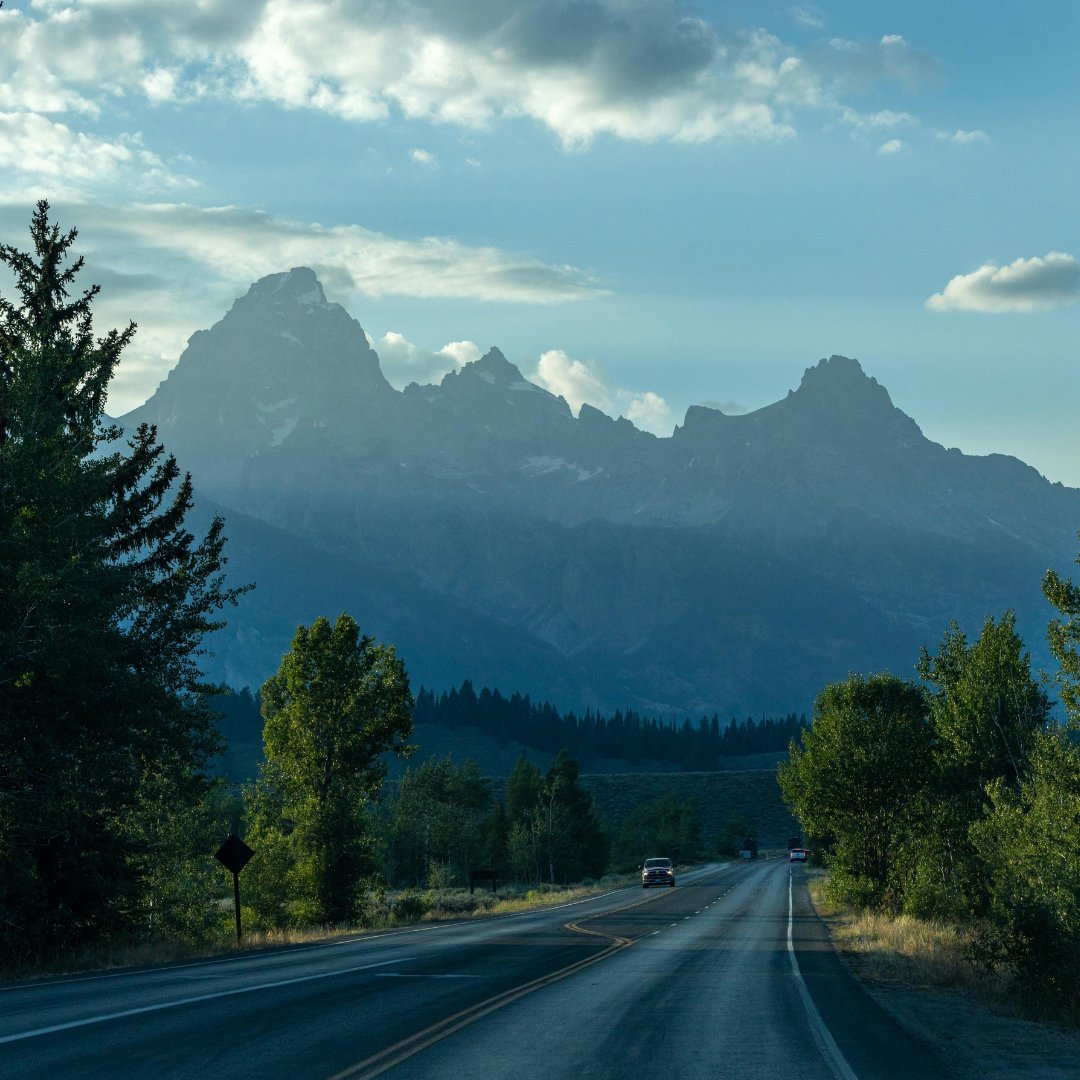
The Ultimate Road Trip: Grand Teton & Yellowstone National Parks
The Ultimate Road Trip: Grand Teton & Yellowstone National Parks
There are road trips, and then there are life-changing road trips. This guide covers everything: when to go, where to stop, what you can’t miss, and why making Jackson Hole your basecamp makes the whole trip better.
Learn More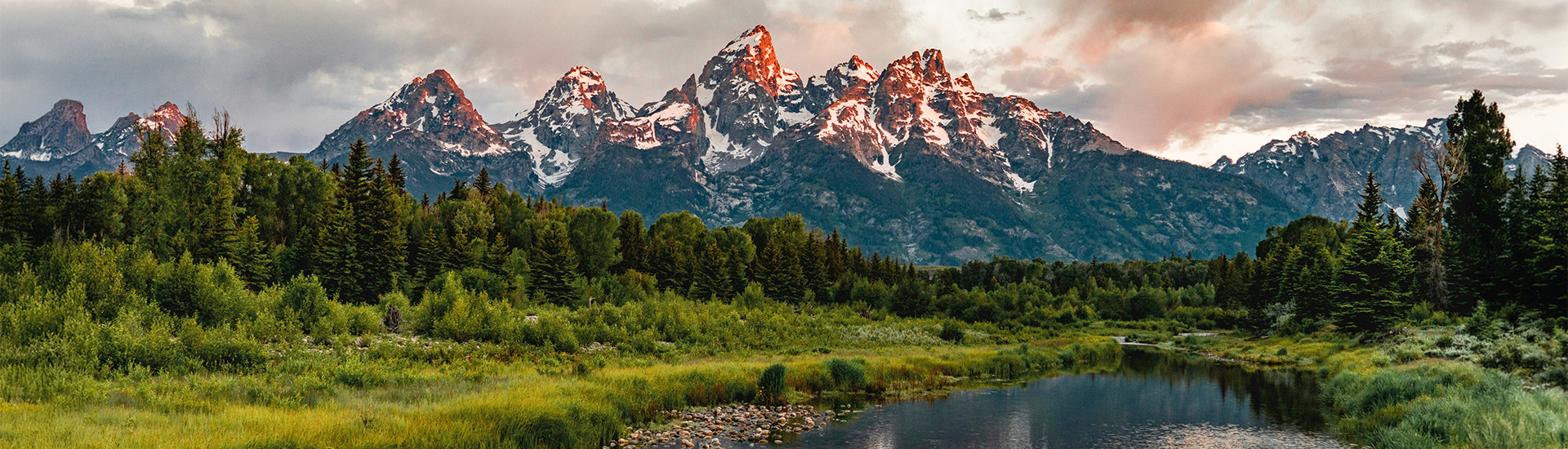
Shoulder Season Adventures in Jackson Hole
Shoulder Season Adventures in Jackson Hole
There’s a version of Jackson Hole that most visitors never see. The parks aren’t overrun. The restaurants take walk-ins. The elk outnumber the tourists. That version exists — and it’s called shoulder season. Come in spring or fall, and the Tetons will feel like they were made for you alone.
Learn More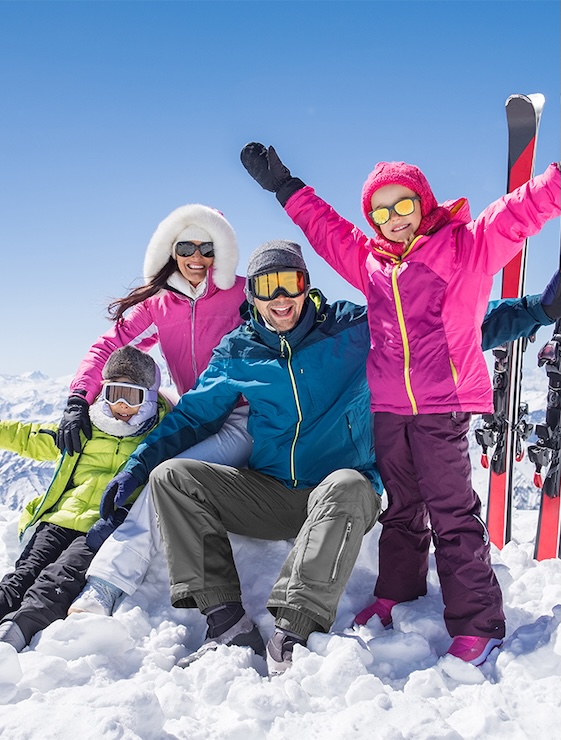
Spring Skiing in Jackson Hole
Spring Skiing in Jackson Hole: Your Complete Guide to Late-Season Turns
This guide covers everything you need to know: when to go, what conditions to expect, the best runs to ski in spring, après-ski culture, and practical tips for making the most of a late-season trip. Whether you're booking a quick getaway or planning a full week on the mountain, Wyoming Inn has you covered right in the heart of Jackson Hole.
Learn MoreThe Ultimate Road Trip: Grand Teton & Yellowstone National Parks
There are road trips, and then there are life-changing road trips. This guide covers everything: when to go, where to stop, what you can’t miss, and why making Jackson Hole your basecamp makes the whole trip better.
When to Go: Choosing Your Season
Wyoming’s seasons swing dramatically, and your experience of both parks depends heavily on timing. Here’s a quick breakdown:
- May–June: Wildflowers, waterfalls at peak flow, fewer crowds
- July–August: Peak season—all roads open, warmest temperatures, adventures, galore.
- September: Fall colors, elk rut, thinning crowds—arguably the best month
- October: Dramatic skies, early snow possible, magical golden light
- Winter: Some roads close; snowshoeing and Nordic skiing alternatives available
- Best overall window: Late May through mid-October
Pro tip: Book Wyoming Inn early—summer weekends sell out months in advance. Arriving Sunday through Thursday often unlocks better availability and pricing.
Grand Teton National Park: Essential Stops
Your road trip officially begins the moment you pass through the Moose Entrance Station and the Tetons materialize in front of you—an abrupt, theatrical wall of cathedral peaks that have startled visitors since the first explorers stumbled into this valley.
Oxbow Bend
One of the most photographed spots in Wyoming, Oxbow Bend is a slow curve of the Snake River with Mount Moran’s reflection shimmering in the water on calm mornings. Arrive before sunrise for the full effect. Wildlife sightings here are near-guaranteed: moose, trumpeter swans, osprey, and bald eagles are regular visitors.
Snake River Overlook
This is where Ansel Adams made his most famous photograph of the Tetons in 1942. Pull over, walk to the overlook rail, and understand immediately why he stopped. The panorama of the entire Teton Range above the sweeping S-curve of the Snake River is genuinely humbling. Early morning or golden hour are unbeatable here.
Jenny Lake
The crown jewel of Grand Teton’s front range, Jenny Lake sits at the base of the most dramatic section of the Teton peaks. Take the scenic loop drive, hop the ferry across to the Hidden Falls and Inspiration Point trailhead, or simply walk the shoreline path. The views from Inspiration Point rank among the best in the American West.
Signal Mountain Summit Road
Don’t miss the Signal Mountain Summit Road, a five-mile paved spur that delivers you to two separate overlooks sitting above the valley floor. From the top, you get a rare reverse perspective: instead of looking up at the Tetons, you look out across the entire Jackson Hole valley with the peaks as a backdrop.
Laurance S. Rockefeller Preserve
At the quieter southern end of the park, the LSR Preserve offers eight miles of trail through meadows, ponds, and forest. The visitor center is a work of meditative architecture worth experiencing. This area tends to be less crowded than the main park corridor—a welcome exhale after Jenny Lake.
The Drive North: Jackson Hole to Yellowstone
From Jackson, follow US-89 / US-191 north through the park, pulling over at viewpoints along the way. The road traces the base of the range, offering a parade of iconic peaks: the Grand Teton (13,775 ft), Mount Owen, Teewinot, and the Cathedral Group.
Where Grand Teton ends, the John D. Rockefeller Jr. Memorial Parkway begins—a connecting corridor of federal land that feels like a gentle transition between two entirely different worlds. The terrain softens, the spruce and fir forest thickens, and you’re at Yellowstone’s South Entrance in about an hour from Jackson.
Total drive time, Jackson to Yellowstone South Entrance: Approximately 60–75 minutes without stops (plan for more—you’ll stop).
Yellowstone National Park: What You Can’t Miss
The oldest national park in the U.S. and the largest active volcanic system in North America, Yellowstone operates by its own geological rules. Geysers erupt on schedules set by underground plumbing, hot springs glow in colors produced by heat-loving microorganisms, and bison wander across roads with complete indifference to your itinerary.
Old Faithful & the Upper Geyser Basin
Old Faithful erupts roughly every 90 minutes, shooting hot water up to 185 feet into the Wyoming sky. But don’t stop there. The Upper Geyser Basin boardwalk contains the highest concentration of geysers on Earth. Morning Star, Beehive, Grand Geyser—each with its own personality and schedule. Allow at least two hours here.
Grand Prismatic Spring
The images you’ve seen don’t do justice to the real thing. Grand Prismatic Spring is 370 feet across and blazes with rings of orange, yellow, green, and deep blue—colors created by thermophilic bacteria living at different temperature gradients from the boiling center outward. Walk the boardwalk, then hike the Fairy Falls trail for the aerial view.
Lamar Valley: America’s Serengeti
If wildlife is your priority, Lamar Valley in Yellowstone’s northeast corner earns its nickname. Wolf packs, grizzly bears, vast bison herds, pronghorn, elk, and coyotes all move through this wide-open grassland valley. Bring binoculars. Get there at dawn or dusk. This is some of the best wildlife viewing in the continental United States.
Grand Canyon of the Yellowstone
The Yellowstone River has carved a canyon 800–1,200 feet deep through vivid yellow and orange rhyolite rock, and the Lower Falls—twice the height of Niagara Falls—plunge into it with thunderous drama. Artist Point on the South Rim is the classic viewpoint. Uncle Tom’s Trail descends 600 feet via stairs and steel platforms to the base of the falls.
Insider Tips for the Road
- Buy your park passes in advance. Both Grand Teton and Yellowstone are covered by the America the Beautiful Annual Pass ($80), which pays for itself on a trip like this. Purchase online before you arrive.
- Plan for early mornings. Wildlife is most active at dawn and dusk. Crowds at popular overlooks peak mid-morning. Arriving at Oxbow Bend or Jenny Lake just after sunrise is a completely different experience from arriving at 10 a.m.
- Cell service is limited inside the parks. Download offline maps (Gaia GPS or Google Maps offline) before you enter. Wyoming Inn’s Wi-Fi is your last reliable connection before you head deep into the parks.
- Pack for all conditions, every day. Wyoming weather can shift from 75°F sunshine to freezing rain within hours, even in summer. Layers, a quality waterproof jacket, and sturdy footwear are non-negotiable.
- Book dining reservations ahead. In-park lodges and popular Jackson restaurants fill up in peak season. Lock in dinner reservations before your trip, not the day-of.
Why Jackson Hole Is the Perfect Road Trip Basecamp
Sitting at 6,237 feet elevation in a valley flanked by two mountain ranges, Jackson Hole is one of America’s most storied outdoor destinations. It’s not just the gateway to Grand Teton National Park—it’s a thriving town with world-class dining, art galleries, Western culture, and a friendly, unhurried pace that makes you want to linger.
More practically: Jackson is positioned almost perfectly for a two-park adventure. Grand Teton National Park’s southern entrance is just minutes north of town. From there, the Rockefeller Parkway connects seamlessly to Yellowstone’s South Entrance—no backtracking, no wasted mileage.
Where to Stay in Jackson Hole: Wyoming Inn
Nestled in the heart of Jackson Hole, Wyoming Inn captures the warmth and character of the Mountain West without sacrificing modern comfort. It’s the kind of place that feels genuinely Wyomingite—not a sterile chain hotel, but a property with soul, where the staff know the best hidden trails and can tell you exactly where the elk were spotted that morning.
Ideally situated for both early-morning park entry and after-adventure dining in downtown Jackson, Wyoming Inn puts you within easy reach of everything this corner of Wyoming has to offer.
Wyoming Inn Highlights:
- Minutes from Grand Teton National Park’s southern entrance
- Free on-site parking for easy gear loading
- Knowledgeable local staff with real trail and wildlife tips
- Perfect launch point for both parks in a single trip
- On-site restaurant (Whistling Grizzly), spa, gym, and more to comfortably start or end your National Park adventures.
Frequently Asked Questions
What is the best home base for a Grand Teton and Yellowstone road trip?
Jackson Hole is the ideal home base. Wyoming Inn sits in the heart of Jackson, putting you minutes from Grand Teton’s southern entrance and about an hour from Yellowstone’s South Entrance. It’s also central for dining, gear shops, and Jackson’s Western character.
How many days do you need for this road trip?
A minimum of 5 days gives you a meaningful experience of both parks. 7–8 days is the sweet spot if you want to hike, slow down, and truly absorb the landscape.
What is the best time of year to visit?
Late May through October is the prime window. September is often considered the best month: fall foliage, the elk rut, thinning crowds, and spectacular light.
Is Wyoming Inn close to Grand Teton National Park?
Yes. Wyoming Inn is just a short drive from Grand Teton’s South Entrance. You can easily be inside the park within 10–15 minutes of leaving the hotel.
Can you visit both parks in one trip?
Absolutely—and it’s the classic Wyoming road trip for good reason. The two parks are connected by the John D. Rockefeller Jr. Memorial Parkway, making it a natural and seamless journey from Wyoming Inn.
Pack the Car. The Tetons Are Waiting.
A road trip through Grand Teton and Yellowstone isn’t just a vacation—it’s a recalibration. You return with sore legs, a camera roll you’ll spend months sorting through, and an understanding of why people fall in love with Wyoming.
READY TO PLAN YOUR TRIP?
Book Wyoming Inn in Jackson Hole
Centrally located in Jackson Hole, minutes from Grand Teton National Park. Check availability for your dates and secure your spot in one of Wyoming’s most beloved destinations.
Shoulder Season Adventures in Jackson Hole
Spring in the Tetons: Wild, Quiet, Unmissable
Spring arrives slowly in Jackson Hole, and that’s the point. While the rest of the country rushes toward summer, this valley is still in negotiation with winter — snow on the peaks, wildlife pouring out of the hills with an urgency that no summer safari can match. This is the shoulder season that rewards patience.
Travel + Leisure named Jackson Hole the #1 Best Place to Travel in the Spring — and locals couldn’t agree more. The valley exhales. Tables open up. The rivers rise. And if you time it right, you’ll have Grand Teton National Park virtually to yourself.
Top Spring Activities in Jackson Hole
- Wildlife Safari: Bears emerge from hibernation, bison calves wobble into the world, and elk herds move back up the valley. The National Elk Refuge and Antelope Flats offer front-row seats — with far fewer viewers than July would bring.
- Bike the Car-Free Teton Park Road: From April 1 to May 1, Grand Teton National Park opens its main road exclusively to cyclists, walkers, and skaters — no vehicles. It’s one of the most extraordinary bike rides in America, with the full Cathedral Group in uninterrupted view.
- Snake River Float Trips: Spring snowmelt fills the Snake River dramatically. Scenic float trips glide past cottonwood banks lined with bald eagles and moose. Outfitters like Dave Hansen Whitewater, Sands, and Barker-Ewing run half-day floats perfect for all ages.
- ElkFest & Old West Days: In mid-May, Jackson’s Town Square comes alive for ElkFest — the largest elk antler auction on the planet — followed by Old West Days: a 10-day celebration with a Mountain Man Rendezvous, horse-drawn parade, and the season’s first rodeo.
- Fly Fishing the Snake River: Spring is prime time on the Snake. Book a guided float-fishing trip and let a local expert put you where the cutthroat trout are feeding. Even beginners walk away with a great story.
- Astoria Hot Springs: Just south of Jackson, these natural hot spring pools come with mountain views and a cold spring breeze. Nothing soothes trail-worn legs quite like a soak with the Tetons as backdrop.
Park Opening Dates — Spring 2026
- OPEN NOW: Teton Park Road opens to non-motorized traffic — Walk, bike, and skate the iconic park road car-free.
- April 18: Yellowstone West Entrance opens — Early-season access before the summer crush arrives.
- May 1: Grand Teton opens to vehicles — Full car access begins; crowds still minimal compared to summer.
- Mid-May: ElkFest + Old West Days — Antler auctions, Mountain Man Rendezvous, parades, and the season’s first rodeo.
- May 9: Yellowstone South Entrance opens — Snow conditions permitting, through Grand Teton.
“Spring isn’t for everyone — and that’s exactly what makes it special. The Tetons at their most intimate, wildlife on the move, and the town finally able to catch its breath.”
What to Pack for a Spring Visit
Jackson Hole spring is famously unpredictable — down jacket in the morning, t-shirt by noon, rain shell by afternoon. Pack in layers, always bring waterproof footwear, carry binoculars for wildlife, and if you’re heading into the parks, bear spray is non-negotiable. The high-elevation sun is stronger than it looks — sunscreen is your friend.
Fall in Jackson Hole: Gold Light & Empty Trails
If spring is the valley awakening, fall is its most confident season. The aspens ignite in late September, painting every hillside in waves of gold and amber. The summer crowd has gone home. Chefs are back in their kitchens experimenting. And the elk — well, the elk are bugling.
Fall in Jackson Hole is essentially summer with better lighting, cooler temperatures, and no wait for a table at your favorite restaurant. September in particular operates like a quieter, more atmospheric version of peak season: most activities still running, most trails still accessible, the fishing arguably better than it’s been all year.
Top Fall Activities in Jackson Hole
- Aspen Foliage Hikes: Peak color typically lands in late September. Trails like Cache Creek Canyon, Taggart Lake, and Cascade Canyon turn into golden corridors that are nothing short of painterly. Fewer hikers, cooler temps — the ideal conditions for a long day in the mountains.
- The Elk Rut: September and October bring the elk rut to the National Elk Refuge and surrounding meadows. Bull elk bugle their otherworldly calls, spar with rivals, and put on a display that stops even seasoned wildlife watchers cold. This is a bucket-list natural phenomenon.
- Mountain Biking & Road Cycling: Cooler fall temperatures mean you can climb harder and longer without overheating. The valley’s 60+ miles of pathways are at their most pleasant, and the color palette on every ride is impossible to replicate in any other season.
- Fall Arts Festival: Running for more than four decades, this 12-day September celebration brings top Western, landscape, and wildlife artists to Jackson Hole for 50+ gallery events, artist talks, and exhibitions. One of the most respected art events in the Mountain West.
- World-Class Fly Fishing: Many anglers consider fall — particularly late September and October — the finest fishing of the year on the Snake River. Cooler water, active cutthroat and brown trout, and virtually no competition for your favorite stretch of river.
- Dining & The Local Scene: After a summer of slammed reservation books, Jackson’s chefs have time to breathe — and it shows in the food. Happy hour specials return, menus get creative, and a Saturday night might find live music at the Million Dollar Cowboy Bar without a wait for a saddle seat.
Fall Planning Notes
- Peak Foliage: Late September, typically Sept 20–Oct 5, though elevation and weather vary year to year.
- Park Access: Grand Teton remains open through late fall. Many Yellowstone facilities close by late October — check nps.gov for current dates.
- Wildlife & Safety: Fall is active bear season — grizzlies are in hyperphagia (intense feeding) before hibernation. Always carry bear spray on trails.
- Weather: September is glorious — highs in the 60s, crisp nights. By October, expect temps in the 30s and possible snow. Pack accordingly.
Frequently Asked Questions
When exactly is shoulder season in Jackson Hole?
Jackson Hole has two shoulder seasons: spring (April through early June) and fall (September through November). Both offer far fewer crowds, lower hotel rates, and some of the valley’s most spectacular natural events.
Is Jackson Hole worth visiting in the off-season?
Without question. The shoulder seasons are one of Jackson Hole’s best-kept secrets. Hotels are more affordable, restaurants are easier to get into, and wildlife is highly active. Travel + Leisure named Jackson the #1 Best Place to Travel in May specifically because of ElkFest and Old West Days.
When does Grand Teton National Park open in spring?
Grand Teton National Park opens to foot and bike traffic on April 1. Vehicle access begins May 1. Yellowstone’s west entrance typically opens around April 18, and the south entrance (through Grand Teton) opens around May 9, snow conditions permitting.
What is the elk rut and when does it happen?
The elk rut is the annual mating season for Jackson Hole’s massive elk herds, typically running September through mid-October. Bull elk produce haunting bugling calls, spar with rivals, and display their full antlers in the meadows around the National Elk Refuge. It’s one of the most remarkable wildlife spectacles in North America.
What is ElkFest in Jackson Hole?
ElkFest is Jackson’s mid-May celebration and the largest elk antler auction in the world. Local Boy Scouts collect naturally shed antlers from the National Elk Refuge and auction them on Town Square — proceeds go toward conservation. The event kicks off Old West Days, a 10-day festival with a Mountain Man Rendezvous, horse-drawn parade, and the season’s first rodeo.
When is peak fall foliage in Jackson Hole?
Aspen foliage typically peaks between September 20 and October 5, depending on elevation and weather. Higher elevation trails like Cascade Canyon often turn first, with valley-floor aspens following a week or two later.
Questions about conditions, gear, or what to expect? Our team is happy to help. Just ask at the front desk or reach us before your trip.
Spring Skiing in Jackson Hole
There's a reason skiers from around the world time their trips to Jackson Hole for spring. The snow is still deep — often measuring in the hundreds of inches by April — the sun is out, the lift lines have thinned, and the mountain takes on an entirely different, almost festive energy. Spring skiing in Jackson Hole is not a consolation prize for missing peak season. For many, it's the whole point.
This guide covers everything you need to know: when to go, what conditions to expect, the best runs to ski in spring, après-ski culture, and practical tips for making the most of a late-season trip. Whether you're booking a quick getaway or planning a full week on the mountain, Wyoming Inn has you covered right in the heart of Jackson Hole.When Is Spring Ski Season in Jackson Hole?
Jackson Hole Mountain Resort typically operates from late November through early April, with the spring skiing sweet spot running from mid-March through closing weekend, usually in the first week of April.
Here's what to expect as the season winds down:
Mid-March: Still full winter conditions at elevation. The mountain's upper snowpack is typically at or near its peak. Temperatures begin warming slightly at the base but the skiing is excellent top to bottom. Crowds start to thin as spring break winds down.
Late March: Classic spring skiing conditions arrive. Warm, sunny afternoons soften the snow into enjoyable "corn" — the loose, granular surface that many expert skiers prefer. Cold nights refreeze the base, making mornings fast and firm. Early starts are rewarded.
Early April (Closing Weekend): The final days bring a legendary party atmosphere. Jackson Hole's closing weekend is one of the most celebrated events in the ski world — expect costumes, live music, beach vibes at 6,311 feet, and some of the most joyful skiing of the season.
Pro Tip: Spring skiing is a tale of two halves. Ski aggressively in the firm morning conditions, then take a long lunch and return when the snow softens in the early afternoon. Time it right and you get two entirely different — and both exceptional — skiing experiences in a single day.
Why Spring Skiing at Jackson Hole Is Special
Jackson Hole Mountain Resort is not an ordinary ski area. With 4,139 feet of vertical drop — the most of any ski resort in the contiguous United States — and an average annual snowfall of over 500 inches, the mountain holds its snow deep into spring in a way that resorts at lower elevation or latitude simply cannot match.
By the time spring arrives, the mountain's notorious expert terrain has been skied in and filled out. Steep chutes that were hair-raising in December are now more consistent and forgiving. The iconic Corbet's Couloir — arguably the most famous ski run in America — becomes a rite of passage for visiting skiers during spring conditions. And with the sun shining over the Teton Range, the setting is simply extraordinary.
Spring also brings a more relaxed, social energy to the mountain. The racing, intense vibe of peak season gives way to leisurely lunches on the deck at Casper Restaurant, beers at the base of Après Vous, and the kind of long, unhurried ski days that remind you why you fell in love with the sport in the first place.
Best Runs & Areas to Ski in Spring at Jackson Hole
Hobacks — Wide-Open Groomers & Soft Afternoon Snow
The Hobacks are the sprawling, south-facing bowl runs at the base of Rendezvous Mountain. In spring, the sun hits these wide, rolling runs early and they soften into perfect corn skiing by midday. This is the place to make big, fast, open turns with the entire Teton Valley spread out below you. Accessible from the Sublette Quad or the Tram, the Hobacks are a spring skiing institution at Jackson Hole.
Best time to ski them: 11 a.m. – 2 p.m., once the sun has had a chance to work on the surface.
Rendezvous Bowl — Expert Terrain at Its Finest
At the top of the Aerial Tram, Rendezvous Bowl offers some of the most challenging and rewarding spring skiing anywhere in the country. In spring, the massive snowpack that accumulates here throughout winter consolidates into a stable, reliable surface. Expert skiers will find consistent conditions across the steep headwalls and open faces that define this zone.
Best time to ski it: Early morning on firm snow for maximum speed and control, or early afternoon for softer turns.
Apres Vous Mountain — Cruising & Intermediate Terrain
Named for the gentler of Jackson Hole's two mountains, Après Vous is the resort's most accessible zone and a spring favorite for intermediate skiers and families. Wide-groomed runs, long cruisers, and a sunny base area make this side of the resort ideal for relaxed spring days. The Après Vous Quad services this terrain efficiently and the area tends to hold soft, pleasant snow well into the afternoon.
Thunder — Groomers at Speed
Thunder is Jackson Hole's dedicated high-speed grooming zone, and in spring it becomes a playground for skiers who want to carve fast, aggressive turns on perfect corduroy. The combination of spring sun and overnight grooming creates some of the best corduroy conditions of the entire season. Head here first thing in the morning before the groomers get tracked out.
Corbet's Couloir — A Spring Bucket List Item
No spring skiing guide to Jackson Hole would be complete without mentioning Corbet's Couloir. This iconic, near-vertical entrance chute — requiring a mandatory air drop of six to ten feet just to enter — is one of the most recognizable and celebrated ski runs in the world. In spring, with the snowpack at its maximum depth and the landing zone well-filled, many skiers choose this moment in the season to finally drop in.
Jackson Hole hosts the King and Queen of the Mountain freeskiing competition in Corbet's each spring, drawing elite athletes and massive crowds to the overlook above. Even if you don't ski it, watching others drop in is one of the great spectacles of the ski world.
Spring Skiing Events at Jackson Hole Mountain Resort
Spring at Jackson Hole is packed with events that make the final weeks of the season feel like a celebration.
King and Queen of the Mountain (Corbet's Couloir): Typically held in early March, this invitational freeskiing competition challenges athletes to drop into Corbet's Couloir and perform the most creative, technically impressive tricks possible. It's free to watch from the viewing area above the couloir and draws a passionate crowd.
Closing Weekend Celebrations: Jackson Hole's closing weekend is legendary. Expect themed costume days, live music at the base village, beach attire on skis, and a general atmosphere of joyful, end-of-season revelry. It's one of those experiences that every committed skier should have at least once.
Spring Après-Ski Scene: As the days lengthen and temperatures warm, the deck at the base village comes alive. Skiers peel off layers, order cold drinks, and soak in the Teton views after their runs. The spring après-ski scene at Jackson Hole is relaxed, social, and memorable.
Spring Skiing Conditions: What to Expect
Snow Quality: Spring snow goes through a daily cycle. Overnight temperatures refreeze the surface into firm, fast conditions. As the sun rises and temperatures climb, the surface softens into "corn snow" — large, round granules that ski smoothly and predictably. By late afternoon, the surface may become heavy or slushy at lower elevations. The sweet spot is typically mid-morning to early afternoon.
Visibility: Spring brings longer days and more consistent sunshine than midwinter. Flat-light days are less common, meaning better visibility across the mountain's varied terrain.
Crowds: Spring is significantly less crowded than the Christmas holiday period, Martin Luther King weekend, and Presidents' Day week. Lift lines are shorter, parking is easier, and the mountain feels more spacious. This makes spring an excellent time for skiers who find peak-season crowds frustrating.
Temperatures: Base area temperatures in spring typically range from the low 20s°F overnight to the mid-40s°F in the afternoon. Upper mountain temperatures remain colder. Dress in versatile layers.
What to Wear for Spring Skiing in Jackson Hole
Spring skiing calls for a slightly different kit than midwinter. The key is versatility — mornings can feel like January, afternoons like early May.
- Base layer: Lightweight merino wool or synthetic moisture-wicking top
- Mid layer: A light fleece or insulating jacket (you may shed this by 11 a.m.)
- Outer shell: A waterproof, breathable ski jacket — lighter than your midwinter option
- Ski pants: Waterproof, with good ventilation if possible
- Goggles: Bring both a dark-tinted lens for bright spring days and a low-light lens for any overcast mornings
- Sunscreen: This is the most underestimated item on any spring skiing packing list. High-altitude UV combined with reflective snow creates intense burn risk — apply generously and reapply throughout the day
- Sunglasses: Useful for the walk from your car and those sunny deck lunch breaks
- Helmet: Always
Après-Ski & Off-Mountain Spring Activities
One of the great advantages of a spring ski trip to Jackson Hole is that the off-mountain options are coming alive at the same time the slopes are at their best.
Whitewater rafting: The Snake River begins to run strong with snowmelt in late April and May. Several outfitters in Jackson offer guided raft trips ranging from gentle scenic floats to exciting whitewater sections — a natural pairing with a morning of skiing.
Wildlife viewing: Spring brings extraordinary wildlife activity to the valley. The National Elk Refuge sees its massive elk herd begin migrating north, while Grand Teton National Park comes alive with bears, moose, and pronghorn. A ski day followed by a wildlife safari drive is a quintessentially Jackson Hole experience.
Jackson Town Square: The historic town square is walkable from many hotels and full of excellent restaurants, galleries, and shops. In spring, outdoor patios begin to open and the town feels vibrant without the full summer tourist pressure.
Practical Information for Your Spring Ski Trip
Lift Tickets: Jackson Hole Mountain Resort offers day tickets, multi-day packages, and is a partner resort on the Ikon Pass. Spring window tickets and late-season deals are often available — check the resort's website for current pricing.
Ski Rentals & Demos: Multiple rental shops in Teton Village and downtown Jackson offer spring demo packages. Spring is an excellent time to try new equipment — demo shops are less busy and staff have more time to fit you properly.
Parking: Teton Village has paid parking lots adjacent to the base area. The resort also operates a free shuttle from multiple locations in Jackson. Spring means less competition for spots than during the holiday rush.
Altitude: Jackson Hole Mountain Resort's summit sits at 10,450 feet. If you're arriving from sea level, plan at least one rest day before your first full ski day. Drink extra water, limit alcohol on your first night, and consider an altitude supplement if you're prone to symptoms.
Mountain Safety: Spring conditions can change rapidly. Wet-snow avalanche risk can increase on warm afternoons. Follow resort closures, ski with a partner in expert terrain, and always let someone know your plans for the day.
Why Spring Is the Right Time to Ski Jackson Hole
If you've been to Jackson Hole in January or February and loved it, spring will surprise you with how different — and how good — it can be. The mountain is the same. The vertical is the same. The Tetons are still right there, impossibly dramatic and beautiful. But the vibe is lighter, the sun is brighter, the snow has settled into something you can really trust, and the whole experience takes on an ease that the intensity of peak season doesn't always allow.
It's skiing at its most joyful. And [Your Hotel Name], ideally located in Jackson Hole, is the perfect base for every day of it.
Book Your Spring Ski Trip at Wyoming Inn
Wyoming Inn is perfectly positioned for your spring ski adventure — we offer a ski shuttle to Jackson Hole Mountain, slopeside storage, boot dryers, and are just minutes from Jackson's happenings and nightlife, staffed by people who love this valley and everything it offers in every season.
Questions about conditions, gear, or what to expect? Our team is happy to help. Just ask at the front desk or reach us before your trip.